Planning Seamless Gutter Installation in Gainesville: What to Discuss First
If you are planning new gutters in Gainesville, the best first conversation is not color, profile, or whether the corners will look tidy from the street. It is water. Where does it come off your roof, how fast does it move during a summer downpour, and where will it go once it leaves the gutter system?
That may sound obvious, but it is the part homeowners skip most often. In North and Central Florida, rain can come hard and fast, and tropical weather adds another layer of stress. A gutter system that looks fine on a calm day can struggle when a storm drops a lot of water in a short stretch. Add pine needles, oak leaves, acorns, and roof grit, and the difference between a smooth-flowing system and a messy overflow becomes very real.
Seamless gutters can be a smart fit for homes in this region, but the planning matters as much as the product. Before you sign a proposal for gutter replacement Gainesville FL, it helps to know what should be discussed upfront, what questions deserve clear answers, and where local conditions should shape the final plan.
Start with rainfall, debris, and how your lot handles water
Gainesville homeowners are not dealing with a mild, low-maintenance climate. Summer rainy season, humidity, and storm season all affect how gutters perform. A contractor can only recommend the right system if the first conversation covers those basic realities.
The roof is one part of the picture, but not the whole thing. You also want to talk through the trees around the home, the amount of debris that lands on the roof, and what happens at the ground once runoff leaves the downspout. In many Florida neighborhoods, live oak leaves, acorns, and pine needles show up in heavy amounts. Those materials do not just create cleanup. They can clog gutters and storm drains, and they can wash into the wider drainage system if they are not managed well.
That is why your initial planning discussion should include where leaves and needles tend to collect, how often the gutters may need cleaning, and whether any section of the roof tends to dump more debris than the rest. A home under tall pines has different needs than a home with broad live oaks, even if the rooflines are similar.
It is also worth talking about the grade of the yard. I would not treat that as a small side note. If water leaves the downspouts and lands in a spot where it sits, splashes against the foundation area, or tracks across a walkway, the gutter system may be doing only half its job. Good planning ties roof drainage to what the lot can actually handle.
The first technical question: sizing
Homeowners often ask about style first, but sizing should come earlier. When people search for gutter sizes for Florida homes, they are usually trying to answer one practical question: will this system keep up when the weather turns rough?
The honest answer is that sizing should be discussed in relation to the home and in accordance with the applicable building code. Florida code requires gutters and downspouts to be sized and discharged in accordance with the Florida Building Code and Plumbing provisions. That means the decision is not just personal preference or what happened to be on the installer’s truck last week. It should be tied to code and to how the system is expected to carry and shed water.
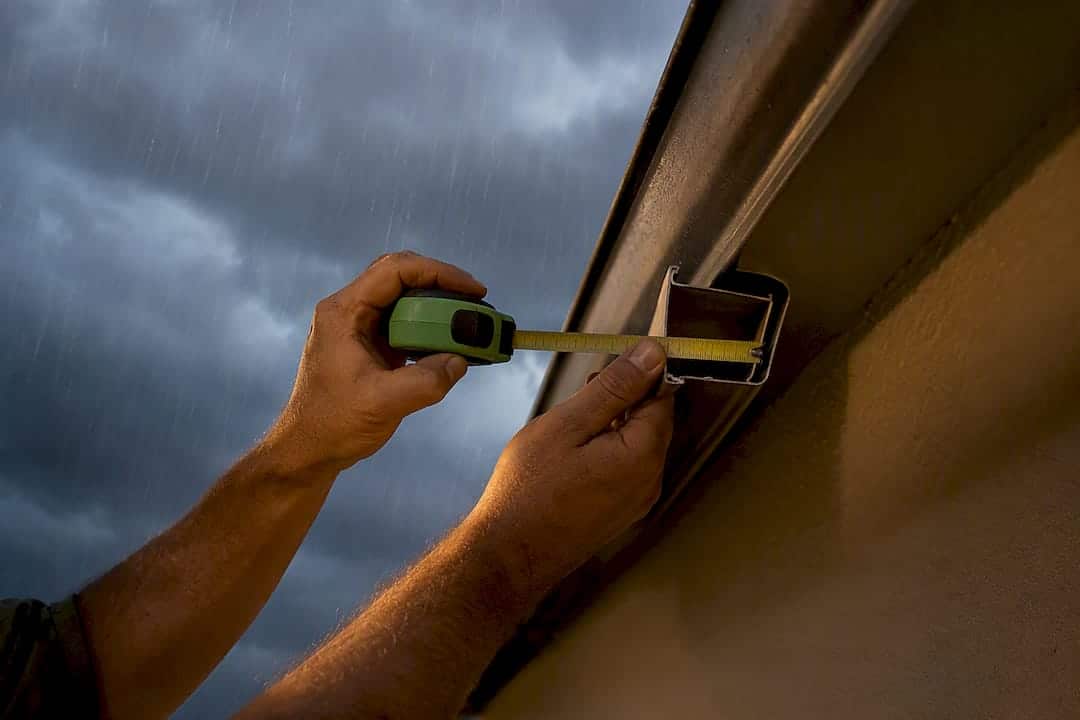
A good conversation here is specific. Ask how the proposed gutter size was chosen. Ask whether the number and placement of downspouts were considered at the same time. Those two decisions affect each other. A larger gutter paired with poor downspout placement can still underperform. A system with well-planned downspouts may handle water more effectively than one that looked adequate only on paper.
This is also where homeowners benefit from slowing the process down. Many people want a quick quote, but if the contractor has not looked carefully at roof sections, valleys, and the way runoff concentrates, the proposal may be too generic to trust.
Downspouts deserve more attention than they usually get
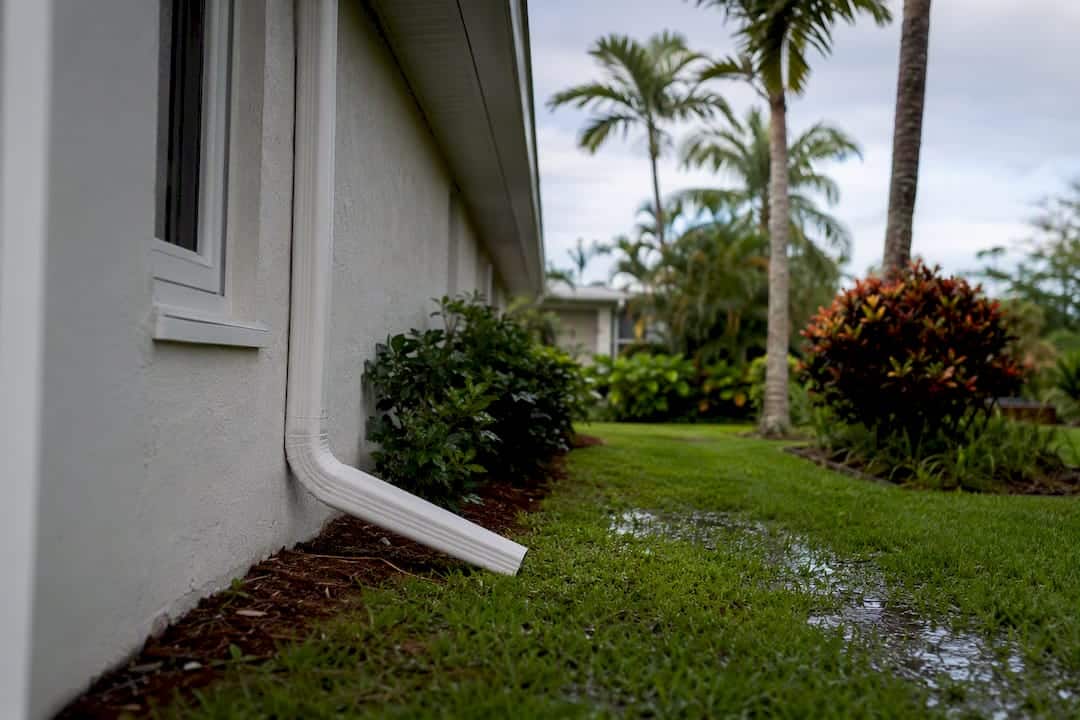
I have seen plenty of homeowners focus on the visible horizontal runs and barely ask about the vertical pieces. That is backwards. Downspouts are where the water actually exits the system, and poor discharge planning causes some of the most frustrating post-installation complaints.
If you are discussing downspout drainage Newberry FL or Gainesville, the principles are the same. Where does the water go after it leaves the downspout? Does it dump into an area that already stays wet? Does it pour near a doorway or garage edge? Does it send runoff toward a storm drain that tends to collect debris?
In Florida, keeping debris out of gutters and storm drains matters for both function and runoff quality. Leaves, acorns, and pine needles that wash through the system do not simply disappear. They move into the broader drainage path. So the discharge plan should be practical, not just neat-looking.
This is the stage where you want the installer to walk the perimeter with you. Stand at each likely downspout location and picture a summer storm. If one roof area carries a lot of water, ask whether one downspout is enough there. If a section of yard already erodes or stays soft, say so. It is much easier to shift a plan before fabrication than after the system is hung.
Seamless matters, but not in isolation
The appeal of seamless gutters is easy to understand. Fewer joints usually means fewer places for trouble to develop. Homeowners looking into seamless gutters Ocala FL or Gainesville often come in with that goal already set, and there is nothing wrong with that. But seamless should be treated as one piece of a larger system, not a complete strategy by itself.
A seamless run still needs proper slope. It still needs secure fastening. It still needs downspouts that can carry water away effectively. It still needs a maintenance plan, especially in a region where debris builds up quickly in summer.
That last point gets missed. Seamless does not mean self-cleaning. In a pine-heavy or oak-heavy setting, you still need to discuss access for future cleaning and whether any guard system is worth considering. The cleaner look is a benefit, but clean lines on installation day do not eliminate maintenance needs in August.
Material conversations should stay grounded
Many homeowners ask about aluminum gutters Central Florida because that is a common product category in the market. It is fine to bring that up, but the smartest version of that conversation stays anchored to code and installation quality.
Florida code requires exterior gutters and leaders to be constructed of metal or approved plastic and to be securely fastened with corrosion-resistant fasteners. That gives you a strong starting point for questions. What is the proposed material? What fasteners will be used? Are they appropriate for exterior exposure? How is the system being secured?
Those questions may not feel exciting, but they are exactly the sort that separate a durable installation from one that looks good for a short while and then starts to loosen, sag, or create nuisance issues. In a humid, storm-prone climate, details around fastening and corrosion resistance deserve plain answers.
Debris load should shape the whole plan
Pine needles and oak leaves are not random nuisances in Florida. They are part of the planning equation. They affect cleaning frequency, they affect how quickly outlets clog, and they influence whether guards are worth discussing at all.
That does not mean every home needs guards. It means every home should have an honest conversation about them. When people ask about gutter guards for pine needles Florida, they are often hoping for a one-word answer. Realistically, the right answer depends on the trees, roof angles, and the homeowner’s willingness to keep up with maintenance.
What should be discussed first is not whether guards are fashionable, but whether they solve a problem on your lot. If your roof catches steady pine needle drop, say that clearly. If oak leaves gather in one valley and wash into a single gutter run, mention it. If you have already paid for repeated gutter cleaning Fruitland Park FL or Gainesville-area service at another property, that is relevant experience, not small talk.
There is also an environmental side to this. In Florida, leaves, acorns, and yard debris that wash into the stormwater system can contribute to water quality problems. That gives homeowners another reason to think beyond simple convenience. Managing debris at the gutter level can help keep it from being swept farther along by runoff.
Ask how the home will be prepared for storm season
A good gutter conversation in Florida should include storm prep. Not fear-based sales talk, just practical planning.
UF and IFAS guidance on storm preparation makes a straightforward point: gutters and storm drains can clog with debris, and clearing needles, leaves, and other buildup matters before severe weather. If you live in Gainesville, that should influence the way you think about the installation itself. A storm ready gutters Florida conversation is really a maintenance and resilience conversation.

Ask how easy the installed system will be to inspect and clean. Ask whether any roof section is likely to collect debris faster than others. Ask what signs to watch for before a major storm. You are not looking for guarantees against every weather event. You are trying to understand how the system should be managed under local conditions.
One homeowner I spoke with years ago had a perfectly decent-looking system, but one back corner sat beneath overhanging branches and quietly packed with debris every rainy season. The issue was not the gutter run itself. The issue was gutter installation in Central Florida that nobody had discussed the actual debris pattern on the property. The fix was simple, but the lesson was lasting: a gutter plan that ignores the trees is not much of a plan.
The estimate should cover more than price
When you get proposals, do not let the comparison stop at totals. If you are hiring a gutter contractor Florida homeowners would feel comfortable trusting, the estimate should make it easier to understand the approach, not harder.
Here are the five things worth pinning down before you agree to anything:
- How the gutter and downspout sizing was determined.
- Where each downspout will discharge.
- What material and fasteners are being used.
- How tree debris and future cleaning were considered.
- Whether any existing drainage trouble spots around the house were noted.
If one quote is noticeably vague on those points, that matters. Sometimes the cheaper number is simply the less thoughtful number. Other times two contractors may suggest different layouts because they see the property differently. That is exactly why these conversations are valuable. They reveal judgment, not just pricing.
Repairs versus replacement is a real decision
Not every homeowner who starts shopping for seamless gutters actually needs a full replacement. Sometimes the real issue is isolated trouble, such as a clogged run, a poorly discharging downspout, or damage in one section. That is why it helps to discuss condition openly before locking into a full-scope project.
If you are also looking at gutter repair Wildwood FL or similar services elsewhere in the region, the same basic question applies in Gainesville: is the current system failing as a whole, or is one part failing in a way that can be corrected? A trustworthy contractor should be able to explain the difference.
That said, planning a partial fix without discussing debris load and drainage can be shortsighted. A repaired section tied into a poorly conceived overall layout may not solve much. The point is not to chase the smallest invoice. The point is to match the scope of work to the actual problem.
Style still matters, just later in the process
There is nothing wrong with caring how gutters look. They are visible trim elements, and homeowners notice them every day. Many people specifically ask about K-style gutters Lady Lake FL and nearby markets because they like the profile or have seen it on neighboring homes.
That style question belongs in the conversation, but after the drainage basics are sorted out. Once sizing, discharge, debris management, and fastening have been discussed properly, then aesthetics can come forward. At that point, the style choice supports the house without undermining function.
I like that order because it keeps homeowners from making appearance decisions in a vacuum. A gutter system should look right on the home, but in Florida it also needs to stand up to heavy rain, seasonal debris, and routine storm prep. If a contractor spends fifteen minutes on color and two minutes on runoff, priorities are out of order.
Maintenance should be discussed before installation day
This is one of the biggest missed opportunities in the whole process. Homeowners often wait until the job is finished to ask how the gutters should be maintained. By then, the installer has already made design choices that affect access and upkeep.
A better approach is to ask early. How often might debris need to be checked in summer? Are there roof areas likely to need more attention because of overhanging trees? Will guards change cleaning needs or simply change the type of cleaning needed? How should you prepare the system before storm season?
Florida maintenance guidance for stormwater infrastructure emphasizes cleaning gutters and downspouts as needed and removing organic buildup, especially in summer. That advice fits residential gutter planning perfectly. In Gainesville, maintenance is not a sign the system was badly designed. It is part of owning a drainage system in a wet, debris-heavy climate.
Homeowners who understand that from the beginning tend to be happier with the result. They do not expect magic. They expect a well-planned system that can be maintained sensibly.
A short walkaround can save a lot of frustration
Before you approve the final layout, do one more exterior walkaround with the contractor. This does not need to be formal or complicated. You are simply verifying that the important issues were addressed in real space, not just on a sketch or invoice.
Use that time to look at the corners where leaves gather, the low spots in the yard, the roof sections that collect runoff, and the places where you know storm water tends to move fast. You may notice something the contractor missed. A good contractor may point out something you had stopped seeing because you live with it every day.
This final check is especially useful on properties with mixed tree cover. A clean front elevation can fool people into thinking the home has light debris exposure, while the back roofline catches most of the pine needles. The installation should respond to the whole property, not just the side visible from the street.
What a productive first conversation sounds like
The strongest planning meetings usually feel less like a sales pitch and more like a site-specific discussion. The contractor asks about overflow history, wet areas in the yard, nearby trees, and how often the current system clogs. The homeowner asks how sizing is being determined, where downspouts will discharge, and how storm season affects maintenance.
That exchange tells you a lot. If both sides are talking about actual water movement and actual debris patterns, the project is on solid footing. If the talk stays generic, the finished system may be generic too.
For many Gainesville homes, seamless gutters make sense. But the decision that matters most is not simply whether to install them. It is whether the planning addresses the conditions that local homes really face: intense rain, seasonal storms, pine needles, oak leaves, and the need to move water away from the house in a controlled way.
If you start there, the rest of the project gets easier. The style choices make more sense. The estimate becomes easier to compare. The maintenance expectations become more realistic. And the finished system is far more likely to do what you actually need it to do when the next hard Florida rain rolls through.