A Homeowner’s Guide to Gutter Repair in the Dunnellon Area After Heavy Rain
Heavy rain changes the way small gutter problems behave. A loose joint that looked harmless in dry weather can suddenly pour water next to the foundation. A shallow sag can become a standing trough full of leaves, pine needles, and roof grit. In the Dunnellon area, that matters because warm-season storms are not rare, isolated events. Across Central and North Florida, summer rain often arrives in hard bursts, driven by thunderstorms, sea breezes, and tropical moisture. When the wet pattern sets in, gutters do not get much time to recover between storms.
That is why gutter repair after a downpour is less about cosmetics and more about control. You are trying to direct a lot of water, quickly, away from the house. When gutters fail, water tends to find the weakest places first: fascia boards, soffits, mulch beds, entryways, low spots near the slab, and edges where walkways meet the home. Once I have seen one of these setups spill over in a Florida storm, I stop thinking of gutters as trim. They are drainage equipment, plain and simple.
If you own a home near Dunnellon and you have just come through a stretch of heavy rain, the smartest next step is a careful inspection and a realistic plan. Some issues can wait for a dry week. Others should move to the top of the list before the next storm rolls in.
What heavy rain exposes that dry weather hides
The first thing heavy rain does is reveal flow problems. Water tells the truth. It shows whether a gutter has enough slope, whether a downspout can keep up, and whether debris has narrowed the channel. In a storm, even a partially clogged run can back up fast. Around this part of Florida, tree debris is part of the story. Oak leaves and acorns can collect in drainage paths, and pine needles, leaves, and small limbs are common enough that they should never be ignored. Once they get wet, they mat together and hold even more moisture.
Humidity adds another layer. Damp debris does not dry quickly in Florida air, especially where tree cover keeps the roofline shaded. That means material sits longer in the gutter, adding weight and slowing drainage. After a few rounds of storms, a gutter that was only messy can become strained. Hangers loosen. Seams work apart. Water starts escaping from the side or spilling over the front edge.
This is one reason gutter maintenance Florida homeowners put off in spring often turns into a repair call by midsummer. It is not usually one giant event. It is repeated stress.
The first walk-around after a storm
You do not need a ladder to learn a lot. In fact, for many homeowners, the best first inspection happens from the ground once the weather clears. Walk the full perimeter and look at where the water went, not just the gutter itself. Fresh wash marks in mulch, trenches in flower beds, muddy splash on siding, and pooled areas near corners all point to drainage trouble.
Pay close attention to transitions and ends. Corners, end caps, and downspout connections often reveal leaks first because they handle turbulence and extra force during a hard rain. If one section overflowed, ask why that spot was the weak link. Maybe it collected more leaves because of a nearby oak. Maybe it sits below a longer roof plane and sees more runoff. Maybe a previous repair solved the symptom without addressing slope.
A simple post-storm check usually includes these warning signs:
- water stains on fascia, soffit, or exterior walls
- visible sagging or a section pulling away from the roofline
- muddy erosion directly below a gutter run or downspout
- plants or dark wet clumps sticking up from the gutter channel
- drip lines at seams or corners after rain has mostly passed
That list is short, but each item points to a different kind of repair. The trick is not to treat every problem the same.
Clogs are common, but they are not the whole story
Homeowners often assume overflow means the gutter just needs cleaning. Sometimes that is exactly right. If leaves, acorns, pine needles, and small twigs have narrowed the channel or blocked the downspout opening, clearing them may restore full function. In a lot of Florida neighborhoods, especially those with mature trees, gutter cleaning is not optional maintenance. It is part of keeping a drainage system usable during rainy season.
Still, I have seen many gutters cleaned only to overflow again in the next storm. That usually means the debris was not the root cause, or not the only cause. A gutter may have poor pitch, undersized or poorly placed downspouts, loose fasteners, or a twisted run that traps water. In those cases, cleaning is necessary but incomplete.
This is where homeowners benefit from a little honesty about the age and condition of the system. If you have an older sectional gutter with multiple joints, every seam is a potential failure point under repeated heavy rain. That is one reason many people eventually look at seamless gutters Gainesville FL contractors and similar providers install in other parts of the region. Fewer joints usually means fewer places for leaks to begin. Repair may still be the right move today, but it helps to understand whether you are preserving a solid system or stretching the life of one that is near replacement.
Seams, slopes, and fasteners, the repair issues that matter most
After a heavy rain, three categories tend to separate minor fixes from recurring headaches.
Seams are the obvious one. If water escapes at a joint, the seal may have failed or the connection may have shifted under load. A seam leak can seem small in dry weather and larrysgutters.com become dramatic in a thunderstorm. If you notice staining beneath a joint, that area deserves a closer look.
Slope is less obvious, but just as important. Gutters need enough pitch to carry water toward the downspout without creating obvious low spots. Too little slope allows standing water. Too much can look awkward and still create performance issues. A section that holds water after rain often has a pitch problem, a dent, or hanger movement.
Fasteners and supports matter because wet debris is heavy. If a run starts to pull away from the fascia, the gutter cannot maintain proper shape under load. Then overflow begins before the channel is even full, because the front edge dips or the back edge separates from the roofline. That kind of movement is common after periods of repeated storms.
These are the problems that turn a simple cleaning into gutter repair Gainesville FL style service in neighboring markets, where contractors deal with the same pattern of rain, humidity, and tree litter. The exact town changes, but the drainage logic does not.
When repair is enough, and when replacement makes more sense
A good repair is targeted. It solves the actual failure without pretending the whole system is brand new. If the gutter metal is sound, the alignment is mostly correct, and the issue is limited to a seam, a hanger, or an isolated section, repair often makes practical and financial sense.
Replacement enters the picture when problems are widespread or repetitive. If one section leaks, another sags, debris collects constantly because of design limitations, and the system has already been patched several times, more repair work can become false economy. The goal is not to chase every drip one storm at a time.
In Central and North Florida, some homeowners decide to move from older sectional setups to seamless systems for exactly that reason. Searches for seamless gutter installation Leesburg FL or gutter installation North Florida often come from people who have already tried piecemeal fixes and are ready for a cleaner, more durable layout. A seamless run does not eliminate maintenance, but it can reduce the number of joints where leaks commonly start.
That said, no responsible contractor should push replacement for a system that only needs a sensible repair. The right answer depends on condition, not sales pressure.
Gutter guards can help, but they are not magic
After a bad storm cycle, many homeowners ask whether gutter guards would prevent the problem from happening again. Sometimes yes, partly. Sometimes not enough to justify the expectation people place on them.
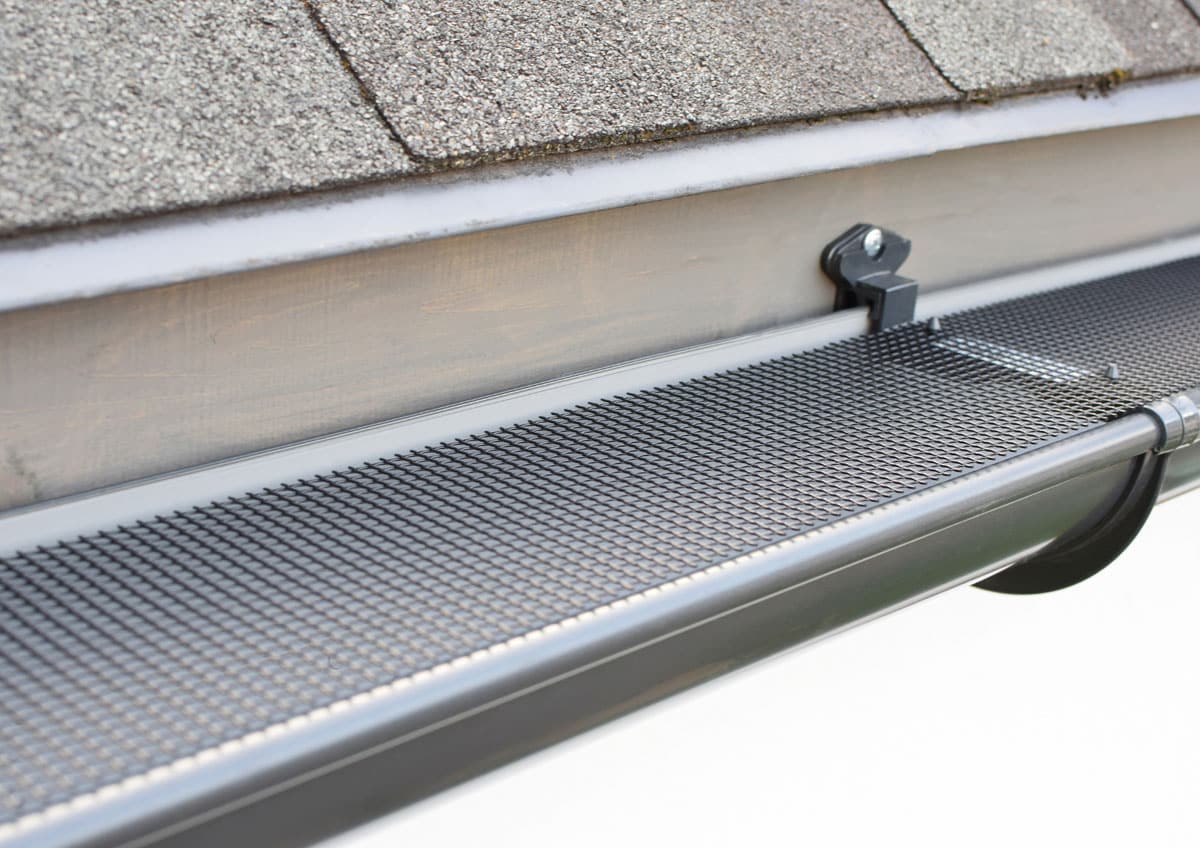
The main benefit of guards is debris control. In tree-heavy areas, reducing the volume of leaves, pine needles, and small limbs entering the gutter can preserve flow and stretch the time between cleanings. That is especially attractive in humid parts of Florida, where wet organic debris compacts and lingers. Guard systems come in several common styles, including brush, foam insert, mesh screen, micro-mesh, PVC covers, and reverse-curve designs. Each style handles fine debris, large leaves, and maintenance access a little differently.
The important thing is to match the guard to the debris pattern around the home. Pine needles behave differently than broad oak leaves. Acorns introduce another challenge. A guard that works well under one canopy may struggle under another. I have seen homeowners assume any cover is automatically better than an open gutter, only to discover that the chosen product still needs regular attention or sheds water poorly in intense rain.
That is why conversations around gutter guard installation Central Florida and gutter guards Gainesville FL should stay practical. Guards can reduce cleaning frequency and help maintain flow, but they do not erase maintenance. They also do not fix bad pitch, weak support, or undersized drainage. If the gutter itself is failing, a guard simply covers the failure.
A sensible order of operations after heavy rain
If your gutters showed signs of trouble during the last storm, this sequence keeps the response grounded:
- inspect from the ground for overflow marks, sagging, and obvious debris
- clear clogs and remove wet buildup if it is safe to do so
- test drainage in dry weather to see where water slows or leaks
- repair alignment, seams, or supports before the next strong storm
- consider guards or replacement only after the basic system works properly
That order matters. Too many homeowners jump straight to accessories before the drainage path itself is corrected. A guard installed over a poorly sloped gutter is still a poorly sloped gutter.
Why local tree cover changes the repair strategy
The Dunnellon area shares a lot with nearby Florida markets in terms of climate pressure. Gainesville, Ocala, Leesburg, and The Villages all sit in broader zones where rain, humidity, and vegetation shape gutter performance. The exact species and lot layout vary, but the pattern is familiar: frequent summer storms, organic debris, and little room for neglect.
Tree cover creates trade-offs. Shade can ease roof heat, but it also drops more material into gutters. Oaks can contribute leaves and acorns. Pines bring needles that weave together and clog outlets in a way broad leaves do not. Small limbs often arrive after gusty storms, and once they settle in a gutter channel they trap finer debris around them.
This is one reason homeowners searching for gutter cleaning Leesburg FL or gutter cleaning and repair Ocala FL are often dealing with the same core issue as a Dunnellon homeowner after a week of thunderstorms. The maintenance burden is not a sign that something is uniquely wrong with your house. It is a sign that Florida weather and landscape conditions are doing what they do.
It also explains why some homes need more frequent service than the neighbor across the street. A roofline beneath mature trees may demand a very different schedule than a more open lot. There is no honest one-size-fits-all interval.
The hidden costs of waiting too long
People usually notice gutters only when they overflow in a dramatic way. What gets missed is the quieter damage that accumulates between the obvious events. Repeated splashback can stain siding and trim. Constant wetting can affect fascia boards. Soil erosion can carve channels in beds and wash mulch where you do not want it. Water that lands too close to the house over and over is rarely doing you any favors.
There is also the nuisance factor. Overflow near entries, driveways, or walkways turns a repair issue into a daily aggravation. If a downspout discharge or a front-corner spillover leaves standing water where people walk, the problem has moved beyond appearance.
That is why quick attention after heavy rain tends to save money. Minor resecuring, resealing, or pitch correction usually costs less than dealing with a longer chain of water-related issues. Homeowners often think they are saving by postponing gutter work until the season ends. In practice, if more storms are coming, delay often means more force on the same weak points.
Choosing a contractor without getting lost in sales language
When repair calls start stacking up after storms, homeowners can feel rushed, and rushed decisions usually favor the best salesperson rather than the best fit. A dependable gutter contractor Central Florida homeowners trust should be willing to explain what failed, why it failed, and whether repair is likely to hold under the next run of storms.
Clear communication matters more than buzzwords. You want someone who can point to the actual trouble spots, discuss whether debris load or water volume is the main issue, and distinguish between maintenance, repair, and replacement. If the conversation immediately jumps to a full new system without explaining present condition, be careful. On the other hand, if a contractor minimizes chronic sagging or repeated seam leaks just to keep the ticket small, that is not good service either.
The strongest recommendations I give homeowners are usually pretty simple. Ask what caused the overflow. Ask whether the current layout is fundamentally sound. Ask what level of maintenance the repaired or upgraded system will still require. Those answers tell you more than a flashy brochure.
If you are considering an upgrade, think in terms of rainfall and maintenance
A gutter system should fit both the roof and the surroundings. In Florida, that means thinking about rain intensity and debris load together. A system that looks adequate on a calm day can be overwhelmed if a long roof section drains to one troubled corner during a summer cloudburst. Likewise, an open gutter beneath heavy tree cover may become a cleaning project so often that adding protection starts to make sense.
That is where regional service terms like gutters The Villages FL, seamless gutter installation Leesburg FL, or seamless gutters Gainesville FL reflect a real homeowner concern. People are not just shopping for a product. They are trying to solve recurring water behavior under local conditions. The useful question is not, “What is the fanciest option?” It is, “What setup will manage rain predictably and keep maintenance reasonable on this specific house?”
For some homes, that answer is a well-executed repair and a better cleaning routine. For others, it is repair plus guards chosen for local debris. For others still, especially older systems with many joints, it may be a new seamless installation that reduces leak points and resets the whole drainage path.
The best time to act is between storms
The hardest gutter repairs are the ones done in a panic while the weather keeps changing. The best time to fix a failing section is after a storm has shown you the problem, but before the next round arrives. That window lets you inspect accurately, clear debris safely, and correct weak points while they are still manageable.
Homeowners in this part of Florida do not need a dramatic event to justify attention to gutters. Repeated thunderstorms are enough. Warm-season rain, high humidity, and steady debris from surrounding trees create a kind of slow pressure that exposes every weakness in the system. If your gutters overflowed, dripped at seams, sagged under wet debris, or dumped water too close to the house, take that as useful information. The storm did you one favor: it showed you where the system needs help.
Handled early, most gutter problems stay straightforward. Ignored through the rainy stretch, they usually get more expensive, more annoying, and much harder to dismiss.
Larry's Gutters
Leesburg location
1720 Leesburg Commons Ct, Suite 2
Leesburg, FL 34748
Phone: (352) 460-0450
Gainesville location
1024 S Main St, Bldg B
Gainesville, FL 32601
Phone: (352) 460-0450
Website: https://larrysgutters.com